




Introduction to Interactive Tutorials
Coding education has evolved rapidly over the past decade.
Interactive tutorials now play a crucial role in enhancing learning experiences.
They engage learners by combining instruction with immediate practice.
Therefore, students can apply concepts as they learn them.
This approach contrasts with traditional passive learning methods.
Consequently, learners retain information more effectively and stay motivated.
The Role of Interactive Tutorials in Coding Education
Active Engagement Enhances Learning
Interactive tutorials encourage users to participate actively throughout lessons.
This involvement strengthens understanding and builds essential coding skills.
Moreover, learners receive instant feedback, which helps correct mistakes quickly.
As a result, students avoid forming bad coding habits early on.
Building Confidence Through Hands-On Practice
Users gain confidence by solving real problems within a safe environment.
This practice reduces anxiety about coding challenges and exams.
Additionally, completing tasks successfully increases users’ sense of accomplishment.
Thus, they feel more prepared to tackle larger projects independently.
Adapting to Individual Learning Styles
Interactive tutorials often personalize content based on user progress.
Tech Consulting Tailored to Your Coding Journey
Get expert guidance in coding with a personalized consultation. Receive unique, actionable insights delivered in 1-3 business days.
Get StartedThis customization allows learners like Maya Nguyen and Lucas Patel to follow tailored paths.
Therefore, tutorials address diverse backgrounds and varying skill levels effectively.
Consequently, learners experience a smoother and more enjoyable learning journey.
Support from Industry Leaders
Companies such as TechSpring and NovaDigital have incorporated interactive tutorials in their training programs.
They report improved employee proficiency and faster onboarding times.
These successes demonstrate the growing importance of interactive tutorials in coding education.
How Hands-on Learning Enhances Understanding and Retention
Active Engagement Deepens Knowledge
Interactive tutorials encourage learners to actively engage with coding concepts.
This hands-on approach allows students to immediately apply what they learn.
As a result, they build stronger connections between theory and practice.
Moreover, actively solving problems helps programmers identify gaps in their understanding.
Therefore, learners gain a clearer and more accurate grasp of coding principles.
Improving Retention Through Practice
Engaging directly with code helps solidify knowledge in memory.
Practice strengthens neural pathways related to programming skills.
Consequently, learners remember techniques and syntax more effectively.
Build Your Vision, Perfectly Tailored
Get a custom-built website or application that matches your vision and needs. Stand out from the crowd with a solution designed just for you—professional, scalable, and seamless.
Get StartedRepeated application reduces the chances of forgetting critical details.
Additionally, practice boosts speed and confidence when writing code.
Motivation and Confidence Build with Progress
Hands-on tutorials provide immediate feedback and visible progress.
Witnessing successful outcomes motivates learners to continue their efforts.
This motivation enhances focus and commitment to mastering coding skills.
Besides, confidence grows as learners overcome challenges through practice.
Ultimately, increased self-assurance translates into stronger coding abilities.
Collaboration and Problem Solving Enhance Learning
Many interactive tutorials encourage discussion and peer collaboration.
Collaborating exposes learners to diverse perspectives and solutions.
Such interaction promotes deeper understanding of complex coding concepts.
In turn, teamwork improves problem-solving skills and adaptability.
Consequently, learners become more capable and resourceful coders.
The Impact of Immediate Feedback on Boosting Learner Confidence
How Immediate Feedback Enhances Learning
Immediate feedback helps learners identify mistakes quickly.
It allows users to correct errors while the information is still fresh.
Optimize Your Profile, Get Noticed
Make your resume and LinkedIn stand out to employers with a profile that highlights your technical skills and project experience. Elevate your career with a polished and professional presence.
Get NoticedConsequently, learners stay engaged and motivated throughout the process.
For example, coding platforms like CoderNest provide instant code validation.
This rapid response strengthens understanding and prevents confusion.
Building Confidence Through Positive Reinforcement
Positive feedback encourages learners to keep practicing their skills.
It reassures them that their efforts lead to progress.
Moreover, timely encouragement reduces anxiety about making mistakes.
Platforms such as DevStream highlight successes as soon as solutions work.
This immediate affirmation builds self-esteem in novice programmers.
Preventing Frustration with Continuous Guidance
Instant feedback prevents learners from feeling stuck for long periods.
It reduces frustration by offering quick hints or corrections when needed.
Consequently, students remain persistent rather than abandoning their tasks.
Interactive tutorials by CodeFlow guide users step-by-step with live hints.
This guidance maintains momentum and improves overall learning outcomes.
Encouraging Experimentation and Risk-Taking
When feedback comes instantly, learners feel safe to try new methods.
They can experiment without fearing prolonged failure or penalties.
Thus, immediate responses foster a growth mindset in coding education.
Education platforms like PixelCode reward creative solutions right away.
This recognition encourages innovative thinking and problem solving.
See Related Content: How Podcasts Offer New Perspectives on Coding and Development
Step-by-step Guidance Reducing the Intimidation of Complex Concepts
Breaking Down Complex Ideas
Interactive tutorials simplify complex coding concepts into smaller parts.
This approach helps learners to focus on one idea at a time.
Consequently, they avoid feeling overwhelmed by the material.
For example, software engineer Lucas Tran experienced faster progress using bite-sized coding tasks.
Moreover, this method builds a clearer understanding through gradual learning.
Providing Immediate Feedback and Support
Interactive tutorials offer instant feedback to correct mistakes promptly.
This feature encourages learners to improve without waiting for external help.
Developer Maya Patel values how quick responses strengthened her coding skills.
In addition, built-in hints guide users through challenging problems effectively.
Therefore, learners feel supported throughout their coding journey.
Encouraging Active Learning Through Practice
Interactive tutorials promote hands-on coding practice from the beginning.
This direct involvement increases retention and problem-solving abilities.
For instance, programmer Amir Khalil improved his confidence by coding along step-by-step.
Furthermore, practicing in real-time reduces anxiety associated with new topics.
As a result, learners develop a positive mindset toward coding challenges.
Structuring Lessons With Clear Objectives
Tutorials often outline clear goals for each section or exercise.
This clarity helps learners understand what they should achieve next.
Software developer Nina Martinez remarked how goal-oriented steps kept her motivated.
Additionally, knowing targets enables efficient time management during learning.
Thus, learners maintain steady progress without confusion or frustration.
Using Visual and Interactive Elements
Interactive coding tutorials incorporate visuals to explain abstract ideas better.
Animations, diagrams, and code editors make learning more engaging and intuitive.
Frontend engineer Derrick Liu credited visuals for demystifying tough algorithms.
Besides, users can manipulate code snippets for immediate application of concepts.
This interactive shape enhances comprehension and retention significantly.
Learn More: How Online Code Editors Simplify Learning for Beginners
Gamification Elements in Interactive Tutorials to Motivate Practice
Engaging Reward Systems
Interactive tutorials often include points and badges to reward progress.
These rewards encourage learners to complete challenges consistently.
Moreover, earning badges fosters a sense of accomplishment and pride.
Companies like CodeMentorLab implement reward systems to boost user retention.
As a result, learners stay motivated to practice coding regularly.
Progress Tracking and Feedback
Gamified tutorials display progress bars to show advancement clearly.
This visual feedback helps learners recognize their development over time.
Furthermore, instant feedback on coding tasks guides users toward improvement.
Platforms such as CodePulse use progress tracking to increase learner engagement.
Therefore, users maintain momentum and gain confidence through continuous feedback.
Challenges and Leaderboards
Interactive tutorials introduce coding challenges to create friendly competition.
Leaderboards rank participants, encouraging users to improve their skills.
This competitive aspect motivates learners like Alicia Trent to code more often.
Additionally, challenges adapt to varied skill levels, keeping users challenged appropriately.
Consequently, learners experience increased motivation to practice consistently.
Storytelling and Thematic Quests
Many tutorials embed storytelling elements to make learning immersive.
Users embark on quests that require coding solutions to advance the story.
For example, TechForge uses fantasy themes to engage users deeply.
This approach helps learners associate code practice with enjoyable experiences.
Subsequently, learners develop a habit of practicing regularly through narrative motivation.
Community Interaction and Collaboration
Gamification also encourages collaboration through group challenges and forums.
Users share achievements and tips, fostering a supportive coding community.
CoderSync promotes teamwork by offering joint missions and peer recognition.
Such interaction enhances motivation by creating accountability among learners.
In turn, practice becomes more consistent and enjoyable within a group setting.
You Might Also Like: The Role of Documentation Websites in Learning Programming Languages
Real-time Problem Solving and Debugging Within Tutorials
Immediate Feedback Enhances Learning
Interactive tutorials provide immediate feedback on your code inputs.
This instant response helps you identify mistakes as soon as they occur.
Consequently, you can correct errors before moving forward.
Therefore, you build stronger coding habits through active practice.
Debugging Skills Develop Naturally
Tutorials that integrate debugging exercises improve your problem-solving abilities.
They encourage you to analyze errors and understand their causes.
By repeatedly facing challenges, you become more confident in fixing bugs.
Moreover, you learn to approach problems methodically and calmly.
Hands-on Experience with Real Code
Working directly within the tutorial environment allows you to test different solutions.
Your active engagement strengthens retention and understanding.
Additionally, practicing code in realistic scenarios prepares you for actual projects.
Thus, tutorials simulate real-world development challenges effectively.
Supportive Tools Facilitate Learning
Many platforms include features like syntax highlighting and error hints.
These tools guide you during problem solving and reduce frustration.
Consequently, you stay motivated and focused throughout learning sessions.
Together, interactive elements create a supportive coding atmosphere.
Delve into the Subject: The Importance of Code Challenges in Staying Sharp as a Developer
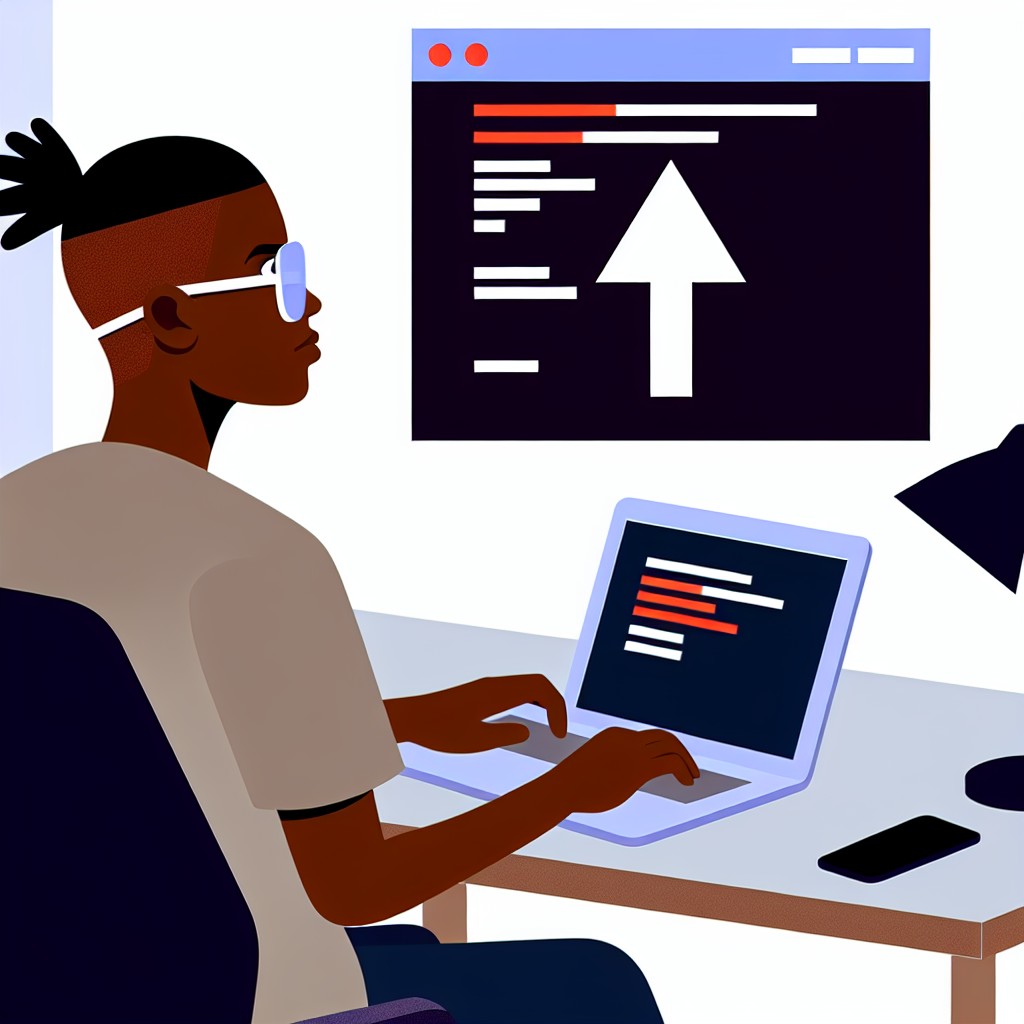
Building a Growth Mindset Through Incremental Challenges
Understanding the Growth Mindset
A growth mindset embraces learning as an ongoing process.
It encourages learners to see challenges as opportunities to improve.
Developers with a growth mindset actively seek feedback to enhance their skills.
As a result, they become more resilient when facing coding obstacles.
Consequently, this mindset helps transform mistakes into valuable lessons.
Role of Incremental Challenges in Learning
Incremental challenges break complex problems into manageable steps.
This approach prevents learners from feeling overwhelmed by difficult tasks.
Each small success boosts confidence and motivates further progress.
Therefore, learners remain engaged and persistent throughout their coding journey.
Interactive tutorials often incorporate these graduated exercises effectively.
Benefits of Using Interactive Tutorials
Interactive tutorials provide immediate feedback to learners.
This timely response helps correct errors before they become habits.
Additionally, they allow hands-on practice rather than passive reading or watching.
Through active engagement, learners develop deeper understanding and retention.
Consequently, these tutorials foster steady skill growth and coding confidence.
Strategies to Maximize Growth with Incremental Challenges
- Start with foundational concepts before progressing to advanced topics.
- Set realistic goals for each coding session to maintain focus.
- Regularly review previous lessons to reinforce knowledge.
- Reflect on errors positively to identify areas for improvement.
- Celebrate small victories to sustain motivation and enthusiasm.
Encouraging Persistence Through Challenge Design
Well-designed challenges adapt to the learner’s current ability level.
This personalization keeps tasks challenging without being discouraging.
Moreover, clear instructions reduce confusion and help maintain momentum.
The sense of progression transforms frustration into accomplishment.
Thus, learners develop stronger coding skills and self-confidence gradually.
Comparison between Interactive Tutorials and Traditional Learning Methods
Engagement and Participation
Interactive tutorials involve learners actively in the coding process.
They encourage hands-on practice instead of passive observation.
Traditional methods often rely on reading or listening to lectures.
Consequently, students may find traditional learning less stimulating.
Interactive environments, such as CodecForge Academy, keep learners motivated throughout.
Immediate Feedback and Error Correction
Interactive tutorials provide instant feedback on coding exercises.
This helps learners recognize and fix mistakes quickly.
Conversely, traditional classes may delay feedback until assignments are graded.
Therefore, students might repeat errors without realizing them.
Platforms like CodeSprint Hub highlight errors in real time, boosting confidence.
Pacing and Personalized Learning
Interactive tutorials allow learners to progress at their own speed.
This flexibility differs greatly from fixed-schedule traditional courses.
Personalized coding paths help users focus on weak areas effectively.
On the other hand, conventional classrooms follow a set curriculum pace.
As a result, some students may feel left behind or unchallenged.
Practical Skill Development
Interactive tutorials emphasize solving real-world problems immediately.
This approach builds practical skills alongside theoretical knowledge.
Traditional methods often separate theory and practice distinctly.
Thus, learners may struggle to apply concepts outside the classroom.
Interactive platforms, like DevStream Labs, create projects that mimic work scenarios.
Accessibility and Convenience
Interactive tutorials are accessible anytime and from any location.
This convenience supports continuous learning without strict schedules.
Traditional courses usually require physical attendance or fixed online sessions.
Consequently, they offer less flexibility for busy professionals.
Interactive platforms lower barriers by providing on-demand resources.
Summary of Key Differences
- Interactive tutorials engage learners actively; traditional methods are more passive.
- Immediate feedback is a feature of interactive learning, unlike delayed responses in traditional setups.
- Self-paced learning enhances personalization, contrasting with uniform classroom pacing.
- Practical application integrates seamlessly in interactive formats but less so in traditional environments.
- Flexibility and accessibility favor interactive tutorials over fixed-schedule classes.
Case Studies Demonstrating Increased Coding Confidence
Success Story from a Web Development Bootcamp
Alexandra Perez joined CodeFront Bootcamp feeling unsure about her coding abilities.
She engaged deeply with the academy’s interactive tutorials and hands-on exercises.
As a result, her confidence in writing JavaScript and CSS grew substantially within weeks.
Consequently, Alexandra completed her final project with minimal assistance.
She credits the interactive tutorials for helping her overcome her initial doubts.
Feedback from Software Engineers at DevSolutions
DevSolutions incorporated interactive tutorials into their developer training program last year.
Software engineers reported feeling more confident when working on complex problems.
The step-by-step approach helped them grasp new frameworks quickly and effectively.
Moreover, team members appreciated immediate feedback on their code during tutorials.
This led to faster onboarding and reduced time-to-productivity for new hires.
Personal Growth Experienced by Self-Taught Coder Ethan Lin
Ethan Lin used interactive tutorials on his coding journey from beginner to intermediate level.
Initially, he struggled to stay motivated while learning on his own.
Interactive lessons kept him engaged and built his problem-solving skills steadily.
In effect, Ethan’s confidence improved, allowing him to contribute to open-source projects.
He emphasizes that these tutorials transformed his approach to learning code.
Common Benefits Noted Across Multiple Testimonials
Users consistently highlight the following advantages of interactive tutorials:
- Immediate application of concepts through exercises.
- Real-time feedback that guides corrections.
- Incremental challenges that build competence gradually.
- Engaging content that maintains learner interest.
Therefore, these elements combine to reinforce coding confidence effectively.
Tips for Selecting Effective Interactive Coding Tutorials
Identify Your Learning Goals
Begin by defining clear learning objectives for your coding journey.
Consider the programming language or framework you want to master.
Moreover, determine if you prefer beginner-friendly or advanced tutorials.
Setting specific goals ensures you choose tutorials matching your needs.
Evaluate Tutorial Interactivity
Look for tutorials that offer hands-on coding challenges.
Interactive exercises help you apply concepts immediately and reinforce learning.
Furthermore, real-time feedback enhances your understanding and corrects mistakes quickly.
Check if the platform supports code editors within the tutorial itself.
Check Content Quality and Instructor Expertise
Choose tutorials created by experienced developers or educators.
High-quality tutorials feature clear explanations and well-structured lessons.
In addition, review user ratings and testimonials for credibility.
Platforms like CodeCrafters Academy provide courses led by industry professionals.
Consider Tutorial Format and Accessibility
Decide if you prefer video tutorials, written guides, or a combination.
Interactive tutorials with multimedia elements can cater to diverse learning styles.
Also, confirm that the tutorials are accessible on your preferred devices.
For example, some platforms allow offline access for learning anytime.
Assess Community Support and Resources
A strong learner community can boost motivation and provide assistance.
Look for tutorials that include forums or chat support for questions.
Also, access to additional resources like cheat sheets and projects adds value.
For instance, DevStream offers an active community alongside their coding lessons.
Test Free Trials or Sample Lessons
Many platforms provide free trials or sample tutorials to explore content quality.
Take advantage of these offers to assess if the teaching style suits you.
Additionally, this helps you gauge tutorial interactivity and difficulty level.
For example, CodeForge allows users to try beginner courses for free.
Additional Resources
Discovery Education: Education Platform & Learning Resources for …
Explode the Code Curriculum Review | Treehouse Schoolhouse Blog


