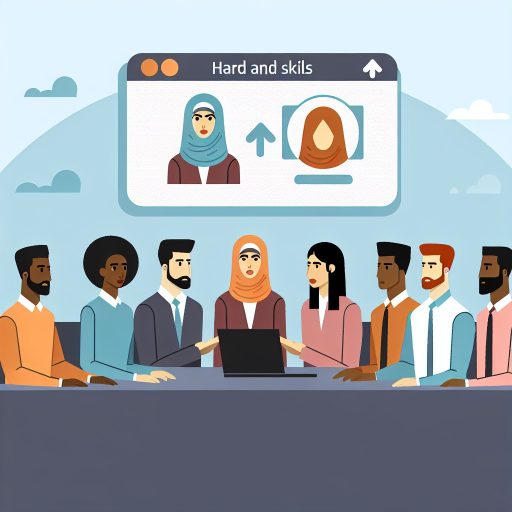




Introduction to Mentorship and Its Importance in the Tech Industry
Defining Mentorship in Technology
Mentorship involves a relationship between an experienced professional and a learner.
In technology, it supports skill development and career advancement.
Experienced engineers guide juniors through challenging projects and industry trends.
Thus, mentorship enhances learning beyond formal education.
Benefits of Mentorship for Tech Professionals
Mentorship accelerates technical skill improvement and problem-solving abilities.
Additionally, it fosters critical thinking and innovation through shared experiences.
Mentors provide constructive feedback that helps mentees grow professionally.
Moreover, mentees gain confidence by applying real-world insights.
The Growing Need for Mentorship in the Tech Industry
The fast-evolving tech landscape demands continuous learning and adaptation.
Consequently, mentorship bridges the gap between theoretical knowledge and practical expertise.
Tech companies like Nexus Innovations and CoreSphere Technologies actively promote mentorship programs.
These programs help employees stay relevant and competitive in the job market.
How Mentorship Shapes Strong Tech Careers
Mentorship guides career path decisions and goal setting effectively.
Mentors often introduce mentees to valuable professional networks and opportunities.
Furthermore, mentorship builds leadership skills essential for career advancement.
Tech Consulting Tailored to Your Coding Journey
Get expert guidance in coding with a personalized consultation. Receive unique, actionable insights delivered in 1-3 business days.
Get StartedUltimately, it creates a supportive culture that nurtures long-term success.
Key Elements of Effective Mentorship Relationships
Effective mentorship relies on clear communication and mutual respect.
Both mentor and mentee must actively engage and commit to growth.
Setting achievable goals and regular check-ins ensure progress and accountability.
Trust and openness encourage sharing of challenges and innovative solutions.
How Mentors Provide Guidance and Accelerate Skill Development
Personalized Career Guidance
Mentors offer tailored advice based on individual career goals.
They help professionals navigate complex industry landscapes effectively.
Furthermore, mentors share real-world experiences to illuminate potential paths.
For example, Clara Nguyen guided software engineers at Nexora Technologies toward leadership roles.
Consequently, individuals gain clarity and confidence in making career decisions.
Accelerating Technical Skills
Experienced mentors identify critical tech skills to prioritize for growth.
They introduce learners to best practices and industry-standard tools promptly.
In addition, mentors provide constructive feedback to enhance coding proficiency.
For instance, Arjun Patel helped junior developers master cloud computing efficiently at InfiCloud Solutions.
Build Your Vision, Perfectly Tailored
Get a custom-built website or application that matches your vision and needs. Stand out from the crowd with a solution designed just for you—professional, scalable, and seamless.
Get StartedThus, mentees reduce the time required to reach competency milestones.
Building Problem-Solving Abilities
Mentors challenge mentees with real-world scenarios to strengthen critical thinking.
They model effective problem-solving techniques during project discussions.
Moreover, mentors encourage creative approaches to overcome technical hurdles.
Sarah Kim’s mentorship at Vertex Dynamics empowered her mentees to handle complex system failures.
Ultimately, mentees develop resilience and adaptability in their roles.
Expanding Professional Networks
Mentors connect mentees with key industry contacts and communities.
They facilitate introductions to influencers who can open career doors.
Additionally, mentors advise on networking strategies to maximize opportunities.
Carlos Mendoza linked many mentees to thought leaders during his tenure at DataForge Labs.
Therefore, mentees access valuable resources beyond technical skills.
Encouraging Continuous Learning
Mentors inspire a growth mindset by promoting ongoing education and curiosity.
They recommend relevant conferences, courses, and certifications to pursue.
Also, mentors emphasize staying updated with evolving technologies and trends.
Optimize Your Profile, Get Noticed
Make your resume and LinkedIn stand out to employers with a profile that highlights your technical skills and project experience. Elevate your career with a polished and professional presence.
Get NoticedEmily Laurent encouraged tech professionals at Solara Innovations to embrace lifelong learning habits.
Consequently, mentees remain competitive and innovative in their field.
The Role of Mentorship in Networking and Career Opportunities
Expanding Professional Networks Through Mentorship
Mentorship plays a crucial role in helping tech professionals grow their networks.
Experienced mentors such as Lucas Hartman actively introduce mentees to key industry contacts.
Consequently, mentees gain access to exclusive events and community groups.
These connections often lead to collaborations and innovative project opportunities.
Furthermore, mentors provide guidance on effective networking strategies tailored for tech careers.
As a result, mentees build meaningful relationships, not just superficial contacts.
Unlocking Career Opportunities with Mentor Support
Mentors often recommend mentees for job openings within their companies.
For example, Natalia Kim referred her mentee to a leading AI startup in Seattle.
Additionally, mentors help polish resumes and prepare for challenging interviews.
This proactive involvement increases the chances of landing desired roles significantly.
Mentorship also offers inside knowledge about company cultures and hiring trends.
Therefore, mentees make informed decisions about which job offers to pursue.
Building Confidence to Seize Opportunities
Mentors encourage mentees to take initiative in seeking out new challenges.
Through regular feedback, mentors help refine technical and soft skills alike.
This support boosts mentees’ confidence during critical career transitions.
Moreover, mentors share personal success stories that inspire resilience and persistence.
Consequently, mentees actively pursue ambitious roles and leadership positions.
Strategies to Maximize Benefits from Mentorship
Establish clear goals and expectations early in the mentoring relationship.
Communicate regularly and be open to constructive feedback.
Seek mentors from diverse backgrounds to broaden perspectives.
Attend industry meetups and join professional tech organizations together.
Finally, show gratitude by sharing progress and achievements with your mentor.
Find Out More: Understanding the Balance Between Hard and Soft Skills in Tech
Mentorship versus Self-Learning: Benefits and Challenges
Advantages of Mentorship
Mentorship provides personalized guidance that accelerates skill development.
Experienced mentors like Sophia Martinez at Luminar Technologies share practical industry insights.
This direct feedback helps mentees avoid common mistakes early in their careers.
Moreover, mentors open networking opportunities with key professionals and teams.
Therefore, mentees gain both knowledge and valuable connections simultaneously.
Advantages of Self-Learning
Self-learning promotes independence and encourages proactive problem-solving skills.
Developers like Arjun Patel at Solstice Innovations use online platforms to learn at their own pace.
This approach offers flexibility to explore diverse technologies beyond formal training.
Additionally, it fosters discipline and cultivates lifelong learning habits.
Consequently, self-learners often adapt quickly to evolving tech landscapes.
Challenges Faced in Mentorship
Finding a dedicated mentor with enough time can be a significant challenge.
Mismatch in communication styles between mentor and mentee often hinders progress.
Furthermore, some mentorships might limit creativity if mentors impose rigid methods.
Another issue involves dependency, where mentees rely too heavily on mentors’ guidance.
As a result, balancing autonomy with support becomes essential in effective mentorships.
Challenges Experienced in Self-Learning
Self-learners may struggle without structured goals and external accountability.
Individuals like Mei Lin from Orion Software sometimes face information overload online.
Lack of feedback often leads to unnoticed gaps in understanding or practice.
Moreover, isolation can reduce motivation and limit exposure to industry standards.
Thus, combining self-learning with other resources can enhance overall growth.
Integrating Mentorship and Self-Learning for Career Advancement
Successful tech professionals integrate mentorship and self-learning to maximize benefits.
For instance, Diego Alvarez at NexaSoft schedules regular mentor sessions while coding independently.
This blend encourages continuous improvement and tailored support simultaneously.
Additionally, using open-source projects supplements real-world experience beyond mentorship meetings.
Therefore, deliberate blending fosters resilience and broad expertise in tech careers.
Discover More: The Role of Continuous Learning in Advancing Your Tech Career
Impact of Mentorship on Confidence and Professional Growth
Building Self-Confidence Through Guidance
Mentorship offers personalized support that helps professionals believe in their abilities.
For example, Alex Chen, a software engineer at BlueSphere Technologies, gained confidence with mentor guidance.
Moreover, mentors provide constructive feedback that encourages skill development.
This feedback helps mentees overcome doubts and embrace challenging projects.
Consequently, mentees feel more prepared to tackle complex technical tasks.
Accelerating Career Development
A strong mentor relationship connects mentees to valuable industry knowledge.
For instance, Clara Nguyen advanced her career faster by learning best practices from mentor David Morales.
Mentors share insider tips on navigating promotions and skill acquisition.
Therefore, mentees can make informed decisions about their career paths.
In addition, mentors often introduce mentees to influential professional networks.
Enhancing Professional Skills and Growth
Mentorship helps identify both strengths and areas for improvement.
By focusing on continuous learning, mentees like Samuel Blake at CoreTech Innovations improve their expertise.
Mentors encourage setting realistic goals and creating personalized development plans.
This structured approach ensures steady progress and skill refinement.
Ultimately, mentees become more effective contributors to their teams and organizations.
Support During Challenging Transitions
Mentors assist mentees when adjusting to new roles or technologies.
For example, during her promotion, Elena Ramos relied on mentor guidance to adapt smoothly.
Such support reduces anxiety and boosts resilience during change.
Consequently, mentees maintain motivation and focus despite obstacles.
Ultimately, mentorship fosters long-term professional growth and confidence.
Discover More: How Networking Opens Doors in the Tech Industry
Different Types of Mentorship
Formal Mentorship
Formal mentorship happens within structured programs at companies like Neovatech and GliderSoft.
Mentors and mentees are paired based on specific skills and career goals.
These programs include regular meetings and clearly defined objectives.
As a result, mentees receive consistent guidance and measurable progress.
For example, Emily Martinez at GliderSoft benefited greatly from a formal mentorship program.
Informal Mentorship
Informal mentorship occurs naturally through workplace interactions.
It often begins when experienced engineers like Aaron Lin offer advice spontaneously.
Mentees gain insights without the need for official arrangements.
Furthermore, this type of mentorship builds strong interpersonal relationships.
Hence, informal mentorship helps professionals grow organically over time.
Peer Mentorship
Peer mentorship involves colleagues at similar skill levels helping each other.
At companies such as VertaTech, junior developers like Nadia Patel collaborate frequently.
This arrangement encourages knowledge sharing and mutual problem-solving.
Moreover, peer mentorship fosters a supportive learning environment.
It builds confidence and enhances teamwork among peers.
Group Mentorship
Group mentorship gathers several mentees under one or more mentors.
Consulting firm Brightline organizes group sessions for tech professionals.
These sessions include workshops, discussions, and group projects.
Additionally, group mentorship promotes diverse perspectives and networking.
Participants benefit from collective experience and shared resources.
You Might Also Like: Why Certifications Matter in Establishing Credibility in Tech

How to Find and Approach a Mentor in the Tech Field
Identifying Potential Mentors
Start by researching professionals who inspire you within your area of interest.
Look for individuals at companies like Netwave Solutions or BrightCore Technologies.
Networking events and industry conferences often feature experienced tech leaders.
Join online communities such as DevConnect or CodeGuild to discover mentors.
Consider people whose skills and career paths align with your goals.
Building Authentic Connections
Begin interactions by engaging with their content on LinkedIn or GitHub.
Comment thoughtfully on their blog posts or technical talks.
Attend meetups or webinars where they are speaking to introduce yourself.
Reach out via email or direct message with a personalized and respectful note.
Clearly state why you admire their work and how you hope to learn from them.
Making a Meaningful Mentorship Request
Be concise and specific about what you want help with in your career.
Propose a manageable time commitment, such as monthly coffee chats.
Express willingness to offer value in return, like sharing research or feedback.
Set realistic expectations for communication frequency and preferred methods.
Show genuine enthusiasm and gratitude regardless of their response.
Maintaining and Nurturing the Mentorship Relationship
Prepare agenda items before each meeting to make sessions productive.
Follow up promptly with thank-you notes and updates on your progress.
Accept constructive feedback professionally and apply it diligently.
Offer support when possible, such as sharing relevant articles or event invites.
Regularly reassess and realign mentorship goals to ensure mutual benefit.
Best Practices for Maintaining a Productive Mentor-Mentee Relationship
Establish Clear Expectations
Start by setting clear goals at the beginning of your mentorship.
This clarity helps both mentors and mentees align their efforts effectively.
Discuss preferred communication styles and meeting frequencies early on.
Agreeing on confidentiality and boundaries fosters mutual trust.
Maintain Consistent Communication
Schedule regular check-ins to keep the momentum going.
Use a mix of email, video calls, or in-person meetings when possible.
Respond promptly to messages to show respect and engagement.
Share progress updates to demonstrate commitment and growth.
Encourage Open and Honest Dialogue
Create a safe space where both parties feel comfortable sharing feedback.
Mentors should provide constructive criticism while remaining supportive.
Mentees must be willing to accept advice and ask clarifying questions.
Address misunderstandings quickly to avoid confusion or resentment.
Set Actionable Goals and Follow Up
Break down long-term ambitions into smaller, achievable tasks.
Review these goals regularly to track improvements and setbacks.
Adjust objectives as needed based on evolving career aspirations.
Celebrate milestones together to maintain motivation and positivity.
Foster Mutual Respect and Appreciation
Recognize the time and effort both parties invest in the relationship.
Thank each other for insights and support frequently.
Acknowledge differences in perspective as opportunities to learn.
Build a foundation of respect that encourages continuous collaboration.
Stay Open to Learning and Growth
Mentees should embrace challenges as chances to develop new skills.
Mentors can also learn from fresh viewpoints and emerging technologies.
Keep an open mind to feedback and evolving industry trends.
This openness strengthens the bond and enhances career success.
Case Studies Illustrating Successful Tech Careers Built Through Mentorship
Mentorship Accelerating Software Development Growth
Lucas Bennett joined Innovatech Solutions as a junior developer.
His mentor, Priya Desai, guided him through complex coding challenges.
She encouraged Lucas to embrace new programming languages and techniques.
Consequently, Lucas quickly advanced to lead backend development teams.
He attributes his rapid growth to Priya’s consistent feedback and support.
Moreover, her network introduced him to important industry leaders.
By trusting her advice, Lucas secured a key role in a high-impact project.
Ultimately, mentorship enabled him to become a respected software architect.
Guidance in Navigating Career Transitions
Sofia Martinez started as a systems analyst at TechVista Networks.
Her mentor, Marcus Chen, helped her identify her passion for cybersecurity.
He suggested relevant certifications and real-world security projects.
Following his guidance, Sofia shifted her career focus successfully.
Marcus also connected her to cybersecurity conferences and workshops.
These experiences expanded her skills and professional contacts.
Eventually, Sofia earned a senior position as a cybersecurity strategist.
This transition highlights how mentorship supports career pivots effectively.
Entrepreneurship Fueled by Experienced Mentors
Amir Khalil launched a start-up focused on AI-driven healthcare tools.
He partnered with entrepreneur and mentor Vanessa Ho to shape his business strategy.
Vanessa shared insights on securing funding and scaling operations.
She also emphasized the importance of customer-centric product design.
Thanks to her advice, Amir refined his pitch and attracted vital investors.
Additionally, Vanessa introduced him to key industry advisors and partners.
His company quickly grew into a leader in its niche.
Mentorship empowered Amir to navigate entrepreneurship’s challenges with confidence.
Mentorship Cultivating Leadership in Tech Project Management
Emma Johnson began her career as a junior product manager at Hyperlink Corp.
Her mentor, Enrique Delgado, coached her on team leadership and stakeholder communication.
He encouraged Emma to develop her strategic thinking and decision-making skills.
Under his mentorship, she led increasingly complex projects successfully.
Enrique introduced her to advanced project management tools and methodologies.
Emma credits her mentor for inspiring confidence in handling critical situations.
She ultimately became the director of product management within five years.
This case demonstrates mentorship’s value in cultivating tech leaders.
Supporting Diversity and Inclusion Through Mentorship
Jada Thompson found mentorship through the Women in Tech Alliance program.
Her mentor, Amina Yusuf, provided tailored advice to navigate gender biases.
Amina connected Jada with role models and professional development resources.
This support helped Jada rise from a data analyst to a senior data scientist.
She learned to advocate for herself and foster inclusive teams.
The program’s mentorship network enabled her to build lasting professional relationships.
Jada now mentors others, continuing the cycle of support in tech careers.
This story highlights how mentorship advances underrepresented voices in technology.
The Evolving Role of Mentorship in Remote and Hybrid Work Environments
Shifting Dynamics of Mentorship
The rise of remote work changes how mentorship occurs.
Mentorship now extends beyond traditional in-person interactions.
Many tech professionals rely on virtual communication to connect.
Therefore, mentors must adapt to new digital tools and platforms.
For example, Jessica Lee at Novatek Solutions uses video calls to guide her mentees.
This approach maintains engagement despite physical distance.
Furthermore, asynchronous communication allows mentees to learn at their own pace.
Benefits of Remote Mentorship
Remote mentorship broadens access to experienced professionals globally.
It enables diverse perspectives from different cultures and markets.
Consequently, mentees gain comprehensive insights into the tech industry.
For instance, Raj Patel connects with mentors across three continents at Lumina Tech.
This exposure enhances his problem-solving and innovation skills.
Moreover, remote mentorship encourages flexibility in scheduling meetings.
Thus, busy tech workers can fit mentorship into their routines more easily.
Challenges of Remote Mentorship and Practical Solutions
However, remote mentorship faces challenges like reduced personal connection.
It can create misunderstandings due to limited non-verbal cues.
To overcome this, mentors like Elena Morales at BrightCloud use regular video check-ins.
They also employ collaborative tools such as shared documents and chat apps.
These methods foster trust and clarity despite virtual barriers.
Additionally, setting clear expectations improves accountability in remote mentorship.
Strategies for Success in Hybrid Work Environments
Hybrid work demands a combination of virtual and occasional face-to-face mentoring.
Mentors often schedule in-person meetings during team gatherings.
This hybrid approach strengthens relationships and engagement.
For example, Marcus Tan balances monthly office visits with weekly virtual calls at DataSolve.
He reports his mentees respond positively to this blended model.
Furthermore, mentors encourage mentees to set personal growth goals collaboratively.
This tactic maintains motivation and progress across work environments.
Emerging Trends Enhancing Mentorship Experiences
Mentorship platforms continue evolving to support remote and hybrid needs.
Artificial intelligence helps match mentees with suitable mentors efficiently.
Virtual reality may soon simulate immersive mentoring experiences.
Companies like TerraTech invest in these technologies to enhance mentorship quality.
Mentorship remains vital for building strong tech careers.
Its role will keep adapting as work environments transform continuously.
Additional Resources
Techstars: Building the World’s Most Powerful Network for Founders